

Overview
This guide shows you how to:
- Understand what a VAT certificate really is
- Validate VAT certificates using official tools
- Create an audit-proof trail and avoid typical mistakes
- Prepare for the switch to electronic certificates by 2032
- Know when to pull in specialist help such as 1stopVAT
Follow the steps and you will slash compliance risk, keep zero-rate supplies safe, and impress the next auditor who walks through the door.
What Is a VAT Certificate and Why It Matters
A VAT certificate (sometimes called a VAT registration certificate or VAT excerpt) is the official proof that a business is registered for Value Added Tax in a given jurisdiction.
- It shows the VAT number, registration date, and legal entity details.
- In the EU, it underpins distance selling, triangulation, and zero-rating.
- Outside the EU, similar documents exist under GST, IVA, or Sales Tax rules.
Failing to check the certificate exposes you to:
- Denied input tax deductions
- Back-dated VAT assessments plus penalties
- Reputational damage if fraud hits the headlines
The stakes are high, especially when the average EU compliance gap still stands at €89 billion, or 7 % of the tax due.
In fact, neglecting verification can have dire consequences for your business – learn more from Why should you take VAT compliance seriously? Possible consequences of VAT breaches.
3-step VAT certificate verification
To verify a VAT certificate, first collect the supplier’s VAT number from their certificate, second check the number against an official database like VIES or a national portal, and third keep a dated screenshot or API log as evidence for future audits.
Step 1: Gather the Right Data First
Before logging onto any portal, make sure you have the facts in front of you.
- Supplier’s legal name and trading name
- Registered address and country code
- VAT number exactly as shown on the certificate
- Certificate issue date and any expiry date
Small typos cause big headaches. Double-check that the supplier’s invoice matches the certificate details. If something looks odd, ask for clarification immediately.
Taking ten minutes now prevents hours of dispute later, so create a simple checklist your team must follow every time.
For practical tools and recommendations on automating these checks, see Tax Technology Tools – VAT Compliance Automation.
Step 2: Validate VAT Certificates in Official Databases
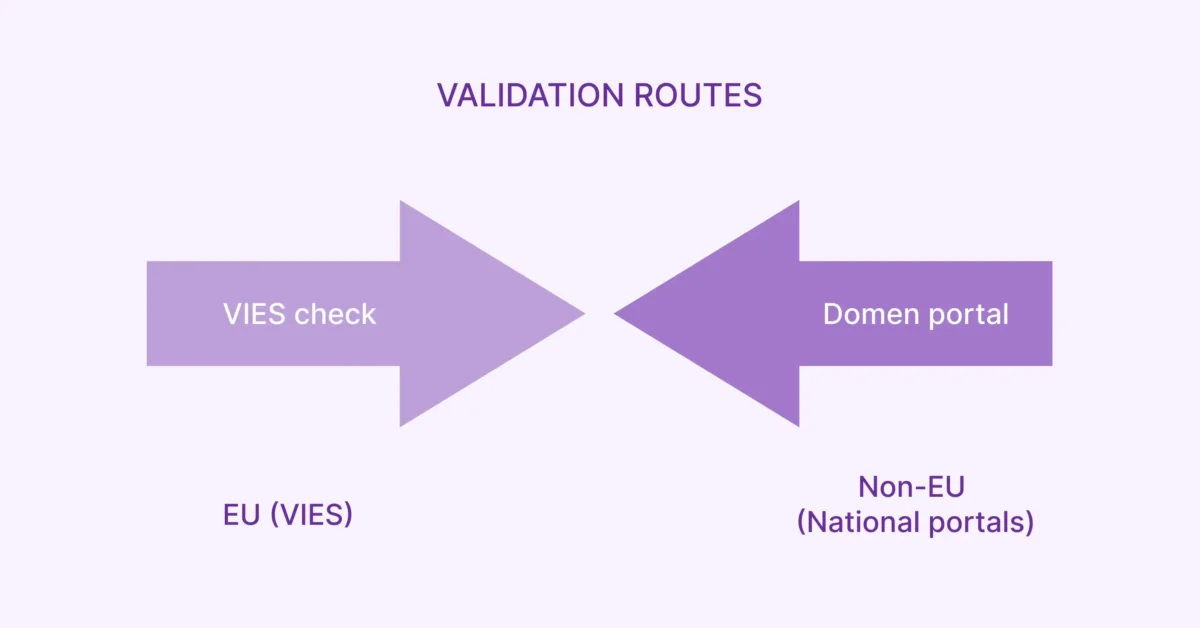
Verifying a number against the proper source is the heart of compliance. Use the database that matches the supplier’s jurisdiction.
VIES for EU VAT numbers
The European Commission hosts VIES, a free search engine for all EU VAT numbers.
- Enter the supplier’s two-letter country code and number
- Confirm the returned name and address match your records
- Save or print the confirmation page with a timestamp
If VIES is down, try again later or use the national tax office lookup as a backup. Remember the EU still loses €30.6% of Romanian VAT and 4.3% of German VAT every year, so tax authorities scrutinise cross-border claims.
National portals beyond the EU
For UK suppliers, use HMRC’s “Check a UK VAT number” tool. Last year £168 billion in VAT receipts flowed through the system, so there is plenty to monitor.
Other examples:
- Norway: Altinn VAT Register
- Switzerland: UID register
- Australia: Australian Business Register
Always download or screenshot the result and attach it to the transaction record. No evidence means no defence during an audit.
Finishing this step gives you the confidence that the certificate is authentic, so let’s move on to the paperwork you must keep.
Step 3: Perform VAT Proof Verification for Cross-Border Transactions
Checking the number is not enough for zero-rating. You must also prove the transaction itself meets the rules.
- Keep signed CMR or transport documents for goods
- Store proof of payment and service performance for services
- Match invoice dates with dispatch dates to show timely reporting
If the deal involves multiple EU countries, make sure triangulation or call-off stock rules apply. A mismatch can turn a 0% sale into a 20% assessment overnight.
This broader VAT proof verification process closes loopholes that carousel fraudsters exploit, protecting you from joint and several liability. For further guidance on cross-border documentation and recovery, explore VAT Refunds & Reclaims: How to Recover Input VAT Costs.
Step 4: Maintain an Audit-Ready Trail
Tax inspectors love paper (or PDFs). Give them what they need.
- Create a digital folder per supplier with certificate, VIES printout, and contracts
- Use consistent file names like “2025-03-12_VIES_check.pdf”
- Back up the archive in a secure, immutable location
Regularly review older certificates. Registrations can be revoked without notice, so schedule quarterly re-checks for high-value suppliers.
Documented internal controls can translate into penalty mitigation if something slips through. For international businesses, VAT services for US companies: How to Stay Compliant When Selling Internationally offers more checklist guidance.
Step 5: Avoid Common Verification Errors
Even diligent finance teams make avoidable mistakes.
- Typing “O” instead of zero in the VAT number
- Assuming a certificate in German is valid for Austria
- Forgetting to re-validate when the supplier’s company name changes
- Relying on screenshots without a date stamp
Combat these pitfalls by:
- Training staff on country-specific formats
- Automating date stamps and file naming in your document system
- Building mandatory fields in your ERP that block payment if the VAT check is missing
A bit of process engineering saves you from manual blunders and lost sleep.
Step 6: Prepare for Electronic Certificates
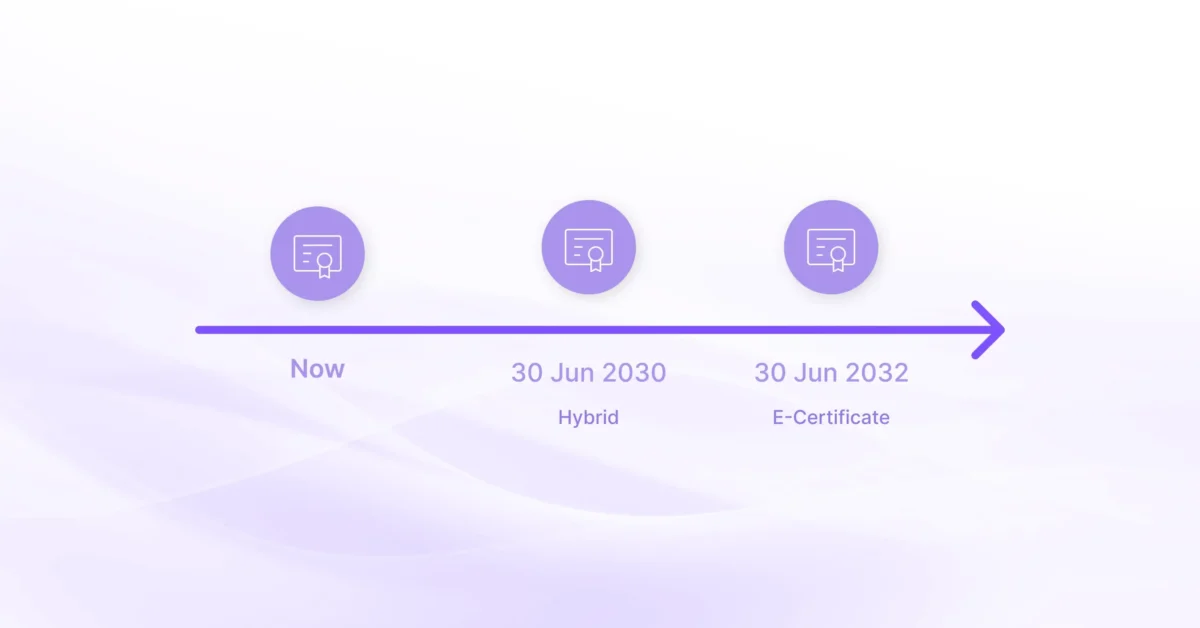
The days of paper are numbered. From 30 June 2032 an electronic VAT exemption certificate will replace the paper version. Member States may still issue paper until 30 June 2030, yet after that the e-certificate becomes mandatory.
Hungary calls the reform “a cornerstone for the digital transition”, and Poland expects it will cut red tape. Start adapting now:
- Map your purchase and sales flows to see where paper certificates sit
- Talk to software providers about XML storage and validation workflows
- Update policies so staff know which format is acceptable and when
For more on the transition and ensuring smooth compliance, check EU Electronic Invoicing Mandates and SAF-T: Ensuring Compliance Across Borders.
Getting ahead of the curve avoids a mad scramble as the deadline approaches.
Step 7: Know When to Call in Experts
Complex supply chains, multiple VAT registrations, or high transaction volumes can overwhelm an in-house team. External specialists can fill the gap.
1stopVAT, a global VAT compliance provider with 40+ tax specialists covering 100+ countries, can handle registration, filing, and ongoing certificate monitoring so your finance team stays focused on the core business.
Use outside help when:
- You enter a new market with unfamiliar rules
- An audit request arrives, and deadlines are tight
- You need a second opinion on a risky transaction
A modest consulting fee beats multi-million-euro assessments every time.
For further advice on when and why to seek professional help, see VAT Compliance & Consultancy: Why Expert Advice Matters.
Conclusion
VAT certificate verification is not red tape, it is a business safeguard. Collect accurate data, validate through official channels, store clear evidence, and gear up for electronic certificates. For additional tips on keeping your returns audit-ready with digital processes, see How to File VAT Returns Online: Streamlining Digital Submission. The rewards are fewer audits, cleaner books, and confidence that your supply chain will not turn into the next carousel headline.
Frequently asked questions
A VAT certificate is the official document confirming that a business is registered for Value Added Tax in a given jurisdiction. It includes the VAT number, legal name, address, and registration date.
Verification proves that your supplier or customer is genuinely registered, which supports zero-rating, input VAT deductions, and prevents joint liability for fraud. Without proof, tax authorities can deny your claims and impose penalties.
Use the VIES database. Enter the country code and VAT number, check that the returned name and address match your records, then save the confirmation page with a timestamp as audit evidence.
Stop the transaction, request a new certificate or written clarification from the counterparty, and do not issue or pay invoices with zero VAT until the number is validated. Document every step to show due diligence.
Yes. EU legislation requires electronic VAT exemption certificates to replace paper forms by 30 June 2032, with a transitional period allowing both formats until 30 June 2030.