Overview
Making Tax Digital (MTD) for VAT is now a mandatory requirement for all VAT-registered businesses in the UK, fundamentally changing how VAT records are kept and returns are submitted. Instead of manual processes, businesses must use digital record-keeping systems and MTD-compatible software to ensure accurate, real-time reporting to HMRC.
This guide explains what MTD VAT means in practice, who must comply, how digital record-keeping works, and what software solutions are available. It also covers the latest rules, submission process, and penalties for non-compliance, helping you stay fully aligned with UK VAT regulations.
What MTD VAT Actually Means
Making Tax Digital for VAT is HMRC's initiative to modernize the UK tax system by requiring businesses to keep digital records and submit VAT returns through compatible software. The goal is straightforward: fewer errors, more accurate reporting, and a tax system that works in real time rather than relying on manual paperwork.
The programme launched in April 2019. That first phase applied to VAT-registered businesses above the £85,000 threshold, totaling 1.2 million businesses. Since April 2022, MTD VAT has been mandatory for all VAT-registered businesses, regardless of turnover. If you're registered for VAT, you're in scope.
Here's what MTD VAT requires in simple terms:
-
You must keep your VAT records digitally (not on paper ledgers or non-compliant spreadsheets).
-
You must submit your VAT returns using MTD-compatible software, not through HMRC's old online portal.
-
Any transfer of data between software programs must happen through digital links, not manual re-keying.
This shift from paper to digital VAT reporting is the core of the entire programme, and it touches every part of how you record, calculate, and submit your VAT. For a comprehensive breakdown of best practices and step-by-step prep, see Accurately Filling Out a VAT Return.
Who Needs to Comply
Understanding whether MTD VAT applies to you is simpler than it used to be, because the answer today is: almost everyone.
If your business is VAT-registered in the UK, you must follow MTD rules. This includes sole traders, partnerships, limited companies, and overseas businesses registered for UK VAT. The only exemptions are narrow and typically involve religious objections, disability, or remote locations where internet access isn't feasible. HMRC grants these on a case-by-case basis.
For marketplace sellers operating across borders, MTD VAT adds another layer to an already complex compliance landscape. If you sell through platforms like Amazon or eBay into the UK and hold a UK VAT registration, you're subject to the same digital record-keeping and filing obligations as domestic businesses. That's where working with a specialist matters. 1StopVAT, for instance, provides dedicated VAT filing and guidance for marketplace sellers navigating obligations across multiple countries, acting as a single point of contact backed by over 40 certified tax specialists.
Digital Record-Keeping Rules
Now that you know who's covered, the next question is: what counts as "digital records" under MTD?
HMRC doesn't prescribe one specific format. However, your digital records must include certain mandatory information:
-
Your business name, address, and VAT registration number
-
The VAT accounting scheme you use
-
The VAT rate charged on each supply
-
The time of supply (tax point) and the net value of the transaction
-
The total output tax and input tax for each return period
You can still use spreadsheets, but only if they're linked digitally to your submission software. Manual copy-pasting numbers from a spreadsheet into a VAT return doesn't meet the standard. The "digital links" requirement means data must flow electronically from your record-keeping tool to your filing tool without human re-entry.
For a detailed look at how digital records and backup practices fit the broader submission process, check Accurately Filling Out a VAT Return.

What Counts as a Digital Link?
A digital link is any electronic transfer of data between software programs.
Examples include:
-
Importing a CSV file from your accounting software into your VAT filing tool
-
Using an API connection between your spreadsheet and your submission platform
-
Automated data transfers built into cloud accounting packages
Typing figures from one screen into another is explicitly not a digital link. HMRC enforced this requirement fully from April 2021, so there's no grace period remaining.
The good news is that the software ecosystem has matured significantly. By March 2020, there were over 500 MTD-compatible software products available, including free and low-cost options. That number has only grown since.
Choosing the Right VAT Filing Software

Selecting the right VAT filing software depends on the complexity of your business and how you already manage your accounts. HMRC maintains a list of recognized software providers on GOV.UK, and the options fall into two broad categories.
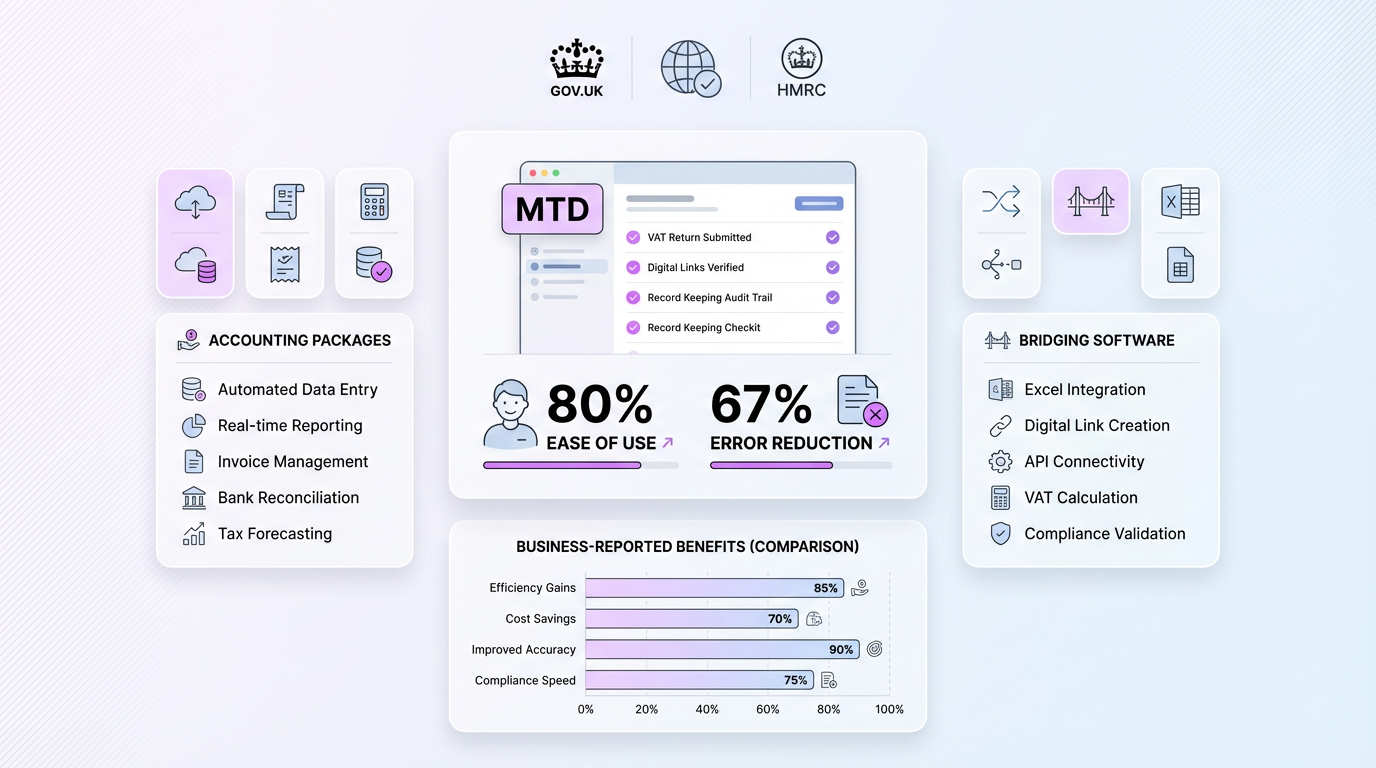
Full accounting packages handle everything from invoicing and bank reconciliation to VAT return submission. If you're starting fresh or already use tools like Xero, QuickBooks, or FreeAgent, these platforms have built-in MTD compliance.
Bridging software lets you keep using your existing spreadsheets or legacy accounting tools. The bridging product connects to HMRC's systems and submits the data digitally on your behalf. As of March 2020, there were 185 bridging products available, giving businesses flexibility to transition at their own pace.
For a fuller picture of which approaches and software types suit your business needs—including key differences between dedicated accounting and bridging software—see How to Submit VAT Online: A Step-by-Step Guide.
How Businesses Actually Experience the Software
The transition hasn't been painless for everyone, but the data suggests most businesses adapt well. Roughly 80% of businesses found the process of using MTD-compatible software easy. Even more encouraging, approximately 67% of businesses reported that using MTD-compatible software reduced the potential for mistakes in at least one aspect of their record keeping.
For a seller operating on multiple European marketplaces, for example, using compliant software to handle UK VAT returns alongside EU filings can simplify what would otherwise be a juggling act. Many businesses in this situation rely on compliance providers like 1StopVAT to manage filings across jurisdictions while ensuring each country's digital reporting standards are met.
When evaluating digital VAT reporting tools, consider these factors:
-
Does the software connect directly to HMRC's MTD API?
-
Can it handle your specific VAT scheme (flat rate, cash accounting, etc.)?
-
Does it support digital links from your existing record-keeping system?
-
What's the cost relative to your filing frequency and transaction volume?
For expert insight into reducing errors through software (and how it leads to reduced compliance gaps), see the section on leading providers in Trusted VAT reporting providers: Ensure Accuracy & Compliance.
How to Submit a VAT Return Under MTD
With your software in place and your records kept digitally, the actual filing process is fairly straightforward.
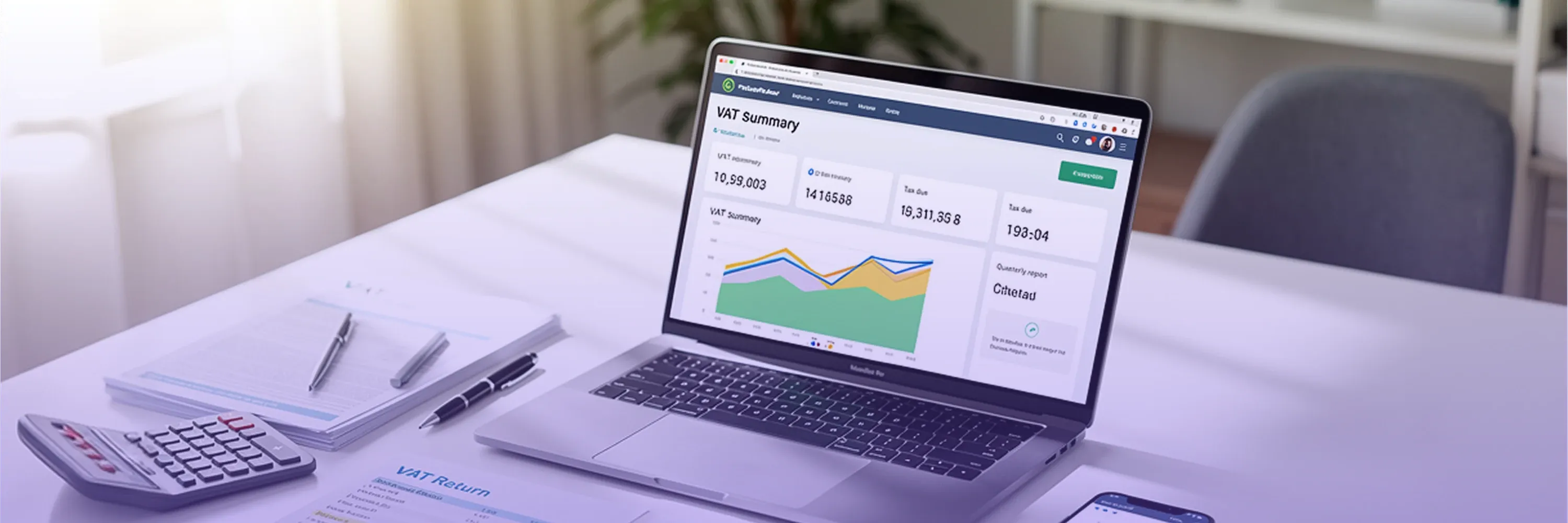
You'll prepare your VAT return within your chosen software, which calculates the nine standard boxes of the VAT return based on your digital records. Then the software submits the return directly to HMRC through their API. You receive a confirmation, and you're done.
The key steps look like this:
-
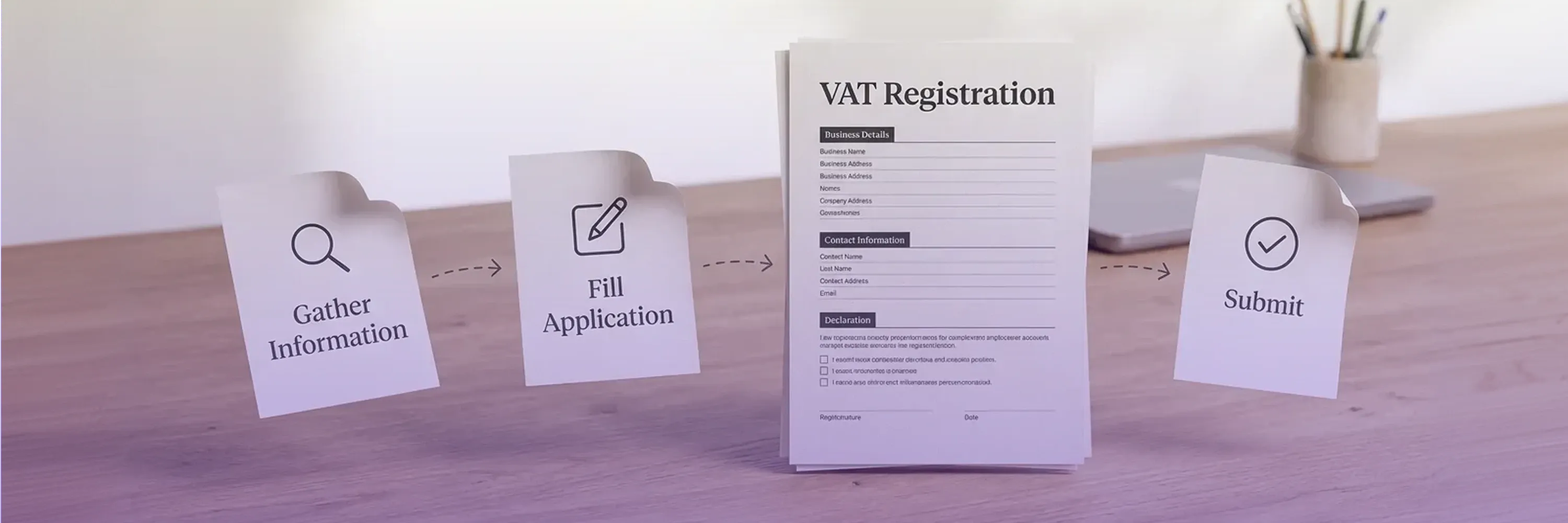
Sign up for MTD VAT through your HMRC business tax account (if you haven't already)
-
Authorize your software to interact with HMRC
-
Ensure your digital records are complete for the return period
-
Review the calculated return within your software
-
Submit electronically and save the confirmation
By March 2020, over 1.4 million businesses had signed up for Making Tax Digital for VAT. The system has proven stable overall, with 90% of problems being resolved in a matter of weeks during the rollout period.
New to the return process or want a more detailed checklist? Explore VAT Return: When to File and How to Prepare for step-by-step preparation, registration guidance, and timing tips.
Penalties for Non-Compliance
HMRC's penalty regime for MTD VAT has evolved. Since January 2023, a new points-based system replaced the old default surcharge for late submissions.
Here's how it works:
-
Each late VAT return adds one penalty point to your account
-
Once you hit the threshold (for example, four points for quarterly filers), you receive a £200 penalty for that late return and every subsequent late return
-
Points reset only after you've filed on time for a set period
For late payments, HMRC charges penalties based on how overdue the payment is:
-
No penalty if paid within 15 days
-
A first penalty charge at day 16 (calculated at 2% of the outstanding amount)
-
An additional charge at day 31 (another 2%)
-
After day 31, a daily penalty accrues at an annualized rate of 4%
Interest also runs on any unpaid VAT from the due date. The message is clear: file on time, pay on time, and keep your records digital. Failing to maintain digital records or submitting through non-compliant methods can also result in penalties of up to £400 per return.
For a breakdown of the UK’s latest penalty system and advice for avoiding costly slip-ups, see VAT Return Deadlines: Dates, Rules & Penalties Explained.
What's Coming Next for Making Tax Digital
MTD VAT was just the first chapter. HMRC is expanding the programme to cover Income Tax Self Assessment. Over the next three years, individuals with a combined gross income of more than £20,000 from self-employment and property will be required to use Making Tax Digital for Income Tax. The first group required to join will be those with annual income exceeding £50,000, starting on 6 April 2026.
For VAT-registered businesses, the implications are practical: if you've already adapted to MTD VAT, you're better prepared for what's next. The habits of digital record-keeping and software-based filing will carry forward.
Conclusion
Making Tax Digital for VAT is no longer a future requirement - it is the standard for how VAT compliance works in the UK today. If your business is VAT-registered, you are expected to maintain digital records, use MTD-compatible software, and submit returns through HMRC’s systems without manual intervention.
While the transition may have initially seemed complex, the reality is that most businesses benefit from greater accuracy, fewer errors, and more efficient reporting once the right systems are in place. The key is not just meeting the minimum requirements, but building a setup that supports long-term compliance as your business grows.
With HMRC continuing to expand Making Tax Digital into other areas, including Income Tax, now is the right time to ensure your processes are fully aligned. Businesses that invest in proper digital workflows today will be better positioned to handle future regulatory changes without disruption.
If you operate across multiple jurisdictions or manage complex VAT obligations, working with experienced compliance specialists can help reduce risk, streamline reporting, and ensure you stay fully aligned with evolving requirements.