

Built for games, backed by experts.
VAT Compliance for Gaming Platforms and In-Game Purchases
Whether you are selling in-game items, subscriptions, or running a player marketplace, indirect taxes like VAT, sales tax, and digital levies can get in the way of global growth. At 1stopVAT, we are your hands-on partner in navigating complex tax regulations across 100+ countries.
55% of global game software revenue in 2025 is expected to come from mobile platforms, the largest segment of the market, ahead of PC and console combined. That makes cross-border microtransactions and indirect tax compliance more critical than ever. Tax complexity and evolving digital regulations are no longer just legal issues, they are growth blockers.
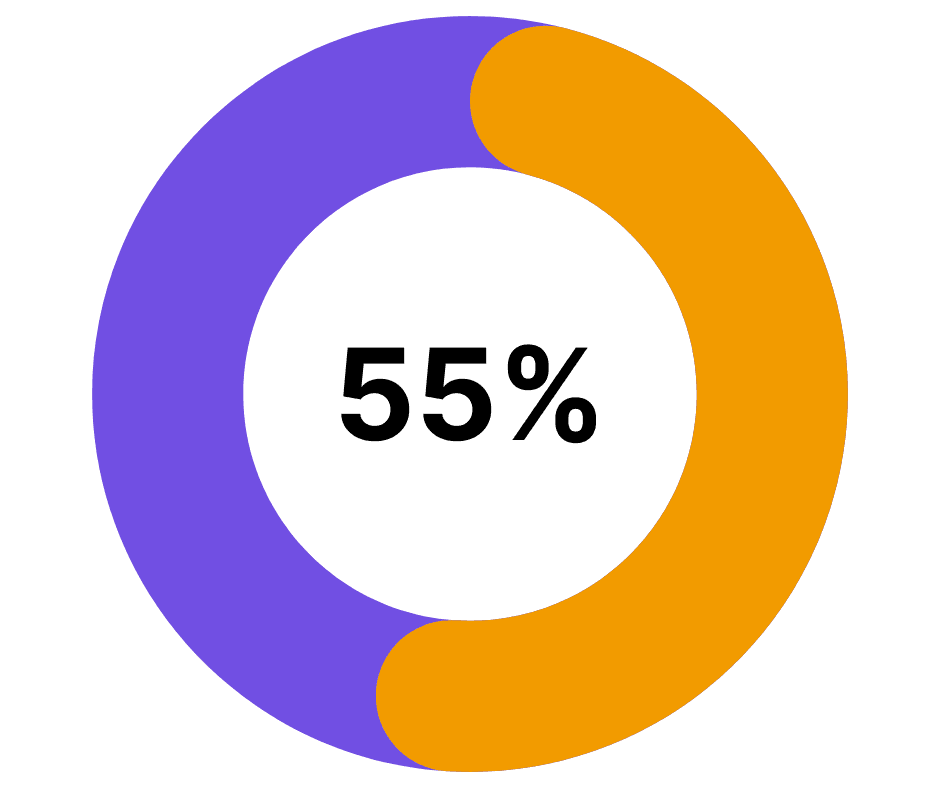
55%
mobile revenue share (2025)
100+
jurisdictions covered
40+
certified experts
800+
clients
Tax compliance we handle for gaming platforms

- Indirect Tax Strategy & Compliance: We work closely with your team to develop tax strategies that align with your global business model. From registration to reporting, we ensure seamless compliance in every market you operate in.
- Cross-Border Tax Advisory: Our experts guide you through international tax regulations, ensuring you meet the specific requirements of every jurisdiction, whether it is VAT, sales tax, or digital taxes.
- Audit Prevention & Risk Mitigation: We proactively identify potential tax risks and implement strategies to mitigate them. In cases of past discrepancies, we assist with corrective measures, helping you avoid penalties and costly audits as you scale.
- Ongoing Tax Filing Support: From VAT filings to sales tax reports, our team ensures you meet deadlines and handle the complexities of taxes across multiple countries, without adding strain to your internal resources.
What’s taxable: games, DLC, subscriptions, and in-game currency
Most of what a gaming platform sells is treated as a taxable digital product in the markets where your players live. That typically includes:
Downloadable games and DLC
Full games, expansions and downloadable content.
Subscriptions
Season passes and game-streaming access.
In-game currencies and digital items
Skins, power-ups and other virtual goods.
Access to digital content or features
Mods and exclusive content.
NFTs and blockchain-based game assets
Tokenised items and other on-chain assets.
A common question is whether selling in-game currency is a taxable sale or an exempt financial transaction. Recent EU case law has confirmed that exchanging real money for currency usable only inside a game is a taxable supply, not an exempt financial service. Each jurisdiction defines these categories differently, and some apply tax even when the item has no real-world equivalent, so the safest position is to map every revenue type to the rules of each market you sell in. We do that mapping for you.
When the app store owes the VAT, and when you do
Selling through Apple’s App Store or Google Play does not always mean the tax is handled for you, and selling direct almost never does. The dividing line is who is treated as the supplier to the player.
When the store handles it
In many countries, Apple and Google act as the “deemed supplier” for in-app purchases, which means they collect and remit VAT or sales tax on those sales for you. Recent EU case law has reinforced this: where the store presents itself to the player in its own name and controls the checkout, it is treated as the supplier, even when your studio is named on the receipt.
When you handle it
The moment you sell direct, through your own website, launcher, or an external payment flow, that deemed-supplier shield falls away. You become responsible for determining where to register, charging the right rate for each player’s location, filing returns, and remitting the tax. Mixed models, some sales via the store and some direct, are the most common source of missed registrations.
We help you separate store-collected sales from your direct-liability sales, register where you actually owe tax, and keep both streams filed correctly.
How we get you compliant

Tailored Tax Strategy
We begin by assessing your business and understanding your global tax needs. Then, we craft a customized tax strategy to meet your goals and ensure compliance worldwide.

Registration & Filing
Our team handles all your tax registrations and filings, ensuring timely compliance with local tax laws, from VAT to digital sales tax, in every market you sell in.

Monitoring & Support
We continuously monitor tax changes, deadlines, and provide proactive support to mitigate risks, keeping your business compliant and ready for growth.
Why gaming companies choose 1stopVAT

Worldwide Coverage
We proudly provide compliance services for VAT, sales tax, and other indirect taxes in 100+ jurisdictions worldwide. With a highly efficient tracking system for filing deadlines, our expert team ensures seamless compliance across markets. We are continually expanding our global tax compliance services reach.
Compliance Partners
We have built a strong network of partners and tax consultants globally to manage local requirements with transparency and efficiency. In many regions, we collaborate with local tax agents to ensure seamless compliance with VAT, sales tax, and other indirect tax obligations for cross-border suppliers.


Reliable Monitoring System
Our Reporting team brings extensive expertise in VAT, sales tax, and indirect tax return services, ensuring your business stays compliant. We provide timely notifications about filing deadlines and tax changes, helping you avoid regulatory breaches.
Certified Experts
Our team consists of more than 40 experts who provide a wide range of services and are certified members of IVA, AITC, and VAT Forum. With over 800 clients, we have deep knowledge of how VAT, sales tax, and other indirect taxes work in 100+ locations.

Working with 1stopVAT made things so much easier for us at Surfshark. They guided us through the VAT registration process smoothly and even connected us with the right partners when we needed extra help. Their efficiency and support took a lot of stress off our shoulders, boosting our efficiency, reducing costs, and supporting our business expansion while ensuring compliance.

Frequently asked questions
Not necessarily, but many countries have specific thresholds, either based on revenue or number of transactions, that, once crossed, require tax registration. For example, in the EU, a single threshold applies for digital services sold to consumers, while in the US, economic nexus rules vary by state. Companies expanding globally should regularly monitor their activity in each country to avoid late registrations or compliance issues.
In many countries, Apple and Google act as the “deemed supplier,” meaning they collect and remit VAT or sales tax on those in-app sales on your behalf. Recent EU case law has confirmed how far this reaches: where the store facilitates the purchase in its own name and controls the checkout, it is treated as the supplier for VAT purposes, even when your studio is named on the order confirmation. The picture changes the moment you sell direct, so it is important to know which of your sales are store-collected and which are your own responsibility.
Taxable digital products can include: downloadable games; subscriptions (e.g., season passes, game streaming services); in-game currencies and digital items (skins, power-ups, etc.); access to digital content or features (e.g., mods, exclusive content); NFTs or other blockchain-based game assets. Each jurisdiction defines these categories differently, and some apply tax even if the item has no real-world equivalent. Recent EU case law has also confirmed that selling in-game currency that can only be used inside the game is a taxable supply, not an exempt financial transaction.
This depends on the structure of the platform. In some countries (e.g., EU, UK), if the platform controls pricing or the transaction flow, it can be considered the “deemed supplier” and become liable for VAT, even if the actual content is made by a third-party seller. Other jurisdictions may place responsibility on the seller directly. Clear documentation, platform terms, and invoicing logic are essential to determine and assign liability correctly.
Payment processors like Stripe and PayPal facilitate payments, but they don’t automatically ensure you’re VAT or sales tax compliant. They may provide tools (e.g., location tracking or invoice data fields), but it’s up to your team to interpret tax laws, determine where to register, collect the right amount, and file correctly. Proper setup and oversight are still needed to meet compliance standards.
Late compliance is common in fast-moving industries like gaming. Most tax authorities offer ways to catch up through voluntary disclosure programs or backdated registration options. These typically reduce penalties if addressed proactively. It’s best to assess exposure early, gather records, and approach the relevant authorities in an organized way.
Ready to grow your game internationally?
Whether you are launching a new platform, entering a new market, or navigating the rules of in-game monetization, 1stopVAT is your trusted partner for stress-free tax compliance.
Request a free consultation
Security
Data privacy and compliance
Your data stays safe with us. We use top security to protect your information, so you can focus on what matters.